


Exploring the Fear of Overpowered Characters and the Challenge of Understanding Them

Updated: Aug 3
Overpowering fictional characters can create a powerful chemical reaction in the realm of storytelling. Readers and writers often fear these characters, worried they might disrupt the longevity of a narrative. Connecting these overpowered characters to others can be challenging. This post will examine whether overpowered fictional characters produce separate temperaments or if they simply make storytelling difficult to write and appreciate.
Why Are Overpowered Characters Feared by Writers?
Creating a fictional character that can easily resolve conflicts is one of the most common errors in storytelling. When a hero can solve all problems effortlessly, the narrative loses its rhythm. The conflict vanishes, and supporting characters become mere props, dwarfed by the hero's overwhelming power. This imbalance can block the reader's engagement. It is hard to cheer for a character who does not struggle. Without tension, the plot stagnates.
A skilled writer understands the importance of balance between the known and the unknown. A strong character must navigate obstacles, not simply overcome them. Curating challenges for an overpowered hero is essential. By giving them specific limitations, writers can create genuine curiosity. Natural authority alone does not drive a story; it is the conflict between power and restriction that fuels the narrative.
Readers often struggle to connect with characters whose abilities exceed human limits. Such characters can feel abstract and distant rather than relatable. When a character becomes godlike, their motivations and emotions may seem unreal. This disconnect often arises from a lack of vulnerability. Without the threat of failure, characters risk becoming mere statues rather than living beings. Furthermore, extreme power can lead to behaviors that challenge human experience, creating characters that feel alien. This dilemma is often exacerbated by convoluted storylines that confuse readers, causing them to lose interest entirely.
However, there may be a way to bridge this gap. Consider the contrast between two iconic characters: Superman and Doctor Manhattan. Superman, while undeniably powerful, is grounded by his humanity. In contrast, Doctor Manhattan possesses godlike abilities, yet his personal story reveals deep emotional struggles and existential mysteries. Readers can empathize with his isolation through the overwhelming force of his withdrawal. To create a relatable powerful character, writers must provide a purpose for readers to care, a wound that no one else can heal, and a mystery that no one else can penetrate.

How Writers Can Make Overpowered Characters Relatable
Writers can focus on the human aspects of overpowered characters. There are several tactics to achieve this. It is not enough to merely state the character's motives and reasons for their power.
Showcasing their struggles, internal conflicts, moral dilemmas, and emotional pain can make characters relatable. Establishing meaningful limitations is crucial. Even powerful characters must face obstacles that prevent them from being merely capable. Developing supporting characters can also highlight the overpowered character’s traits and create dynamic interactions.
For instance, in One Punch Man, the protagonist is unbeatable. However, he faces challenges such as boredom and a quest for purpose. These elements add depth and humor while creating a powerful character who remains relatable.
The Role of Overpowered Characters in Storytelling
Overpowered characters can serve important roles when used thoughtfully. They can symbolize ideals, representing concepts like justice, hope, or fear. Their actions can drive major events or conflicts within the plot. Additionally, stories can explore themes related to power, identity, responsibility, and relationships. A writer who embraces this innovation often finds ways to balance their character's power with their personal struggles, keeping readers engaged.
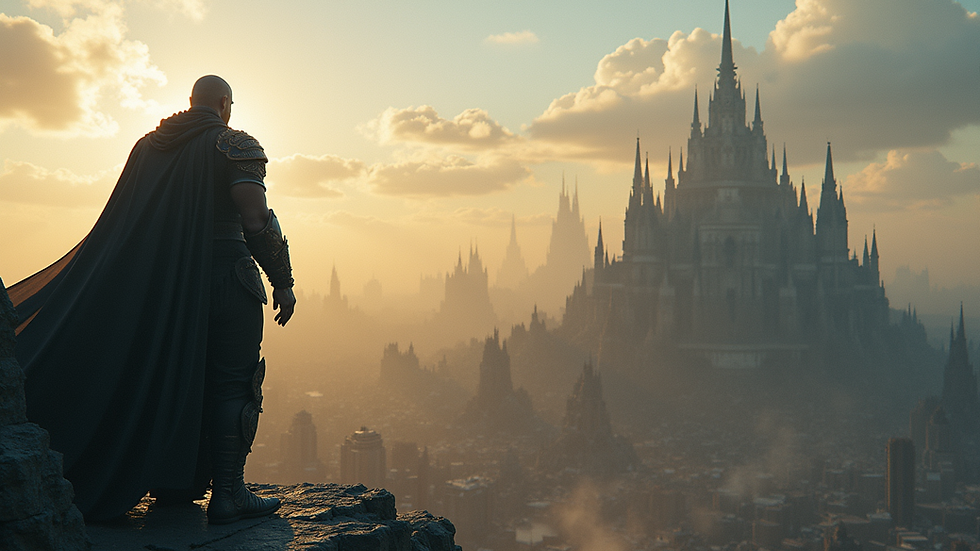
Readers frequently find it difficult to connect with characters whose abilities surpass ordinary human limits. These characters can feel more like concepts than living beings. As a character's powers become godlike, their motivations and emotions may appear distant, surrounded by an unreal world. Often, a lack of vulnerability contributes to this disconnect. Without the possibility of failure, a character risks becoming a mere statue rather than a fully realized being. Furthermore, extreme power can lead to actions that challenge human experience, making their behavior feel alien. Sometimes, this issue is compounded by convoluted backstories that are difficult to follow, leading to reader disengagement.
If you are a writer, consider exploring the emotional and moral dimensions of your powerful characters. Imagine how a reader perceives their resilience and the choices they make. This approach may reveal new ways to measure and create stories that resonate with audiences.
Conclusion
How do you feel about overpowered characters? What are your favorite OP characters, and do you find these types of characters challenging to understand? I invite you to share your thoughts in the comments. As always, be creative!
---wix---


Comments