


Exploring the Unique World of Graphic Novels: Graphic Novel Storytelling Styles

Updated: Jul 25
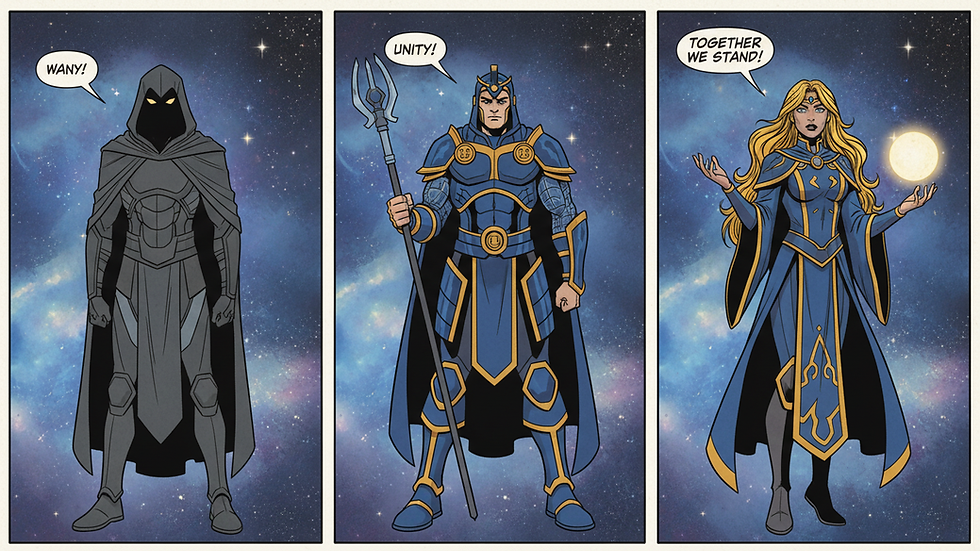
Graphic novels have become a powerful medium for storytelling. They combine visual art with narrative text to create immersive experiences. I find graphic novels fascinating because they offer a unique way to tell stories that differ from traditional books or movies. The blend of images and words allows for deeper emotional connections and complex storytelling techniques. In this post, I will explore the unique world of graphic novels, focusing on graphic novel storytelling styles, their history, and how they continue to evolve.
Understanding Graphic Novel Storytelling Styles
Graphic novel storytelling styles vary widely, reflecting the diversity of creators and genres. These styles influence how readers engage with the story and interpret its meaning. Some graphic novels use a cinematic approach, with panels arranged like movie frames, while others adopt a more experimental layout that challenges conventional reading patterns.
One common style is the linear narrative, where the story progresses in a straightforward, chronological order. This style is easy to follow and is often used in superhero comics or memoirs. Another style is the non-linear narrative, which may include flashbacks, parallel storylines, or fragmented sequences. This approach invites readers to piece together the story actively.
Visual style also plays a crucial role. Some graphic novels feature realistic art, emphasizing detailed backgrounds and lifelike characters. Others use stylized or abstract art, focusing on mood and symbolism rather than realism. For example, Art Spiegelman’s Maus uses stark black-and-white drawings to convey the gravity of its Holocaust narrative.
The use of color can also define storytelling style. Some graphic novels rely on monochrome palettes to create a specific atmosphere, while others use vibrant colors to highlight emotions or action. The choice of color often supports the tone of the story.
Understanding these storytelling styles helps readers appreciate the craft behind graphic novels. It also guides creators in choosing the best approach to convey their message effectively.

The History and Evolution of Graphic Novels
The history of graphic novels is rich and varied. While comics have existed for over a century, the term "graphic novel" gained popularity in the late 20th century. Early examples include Will Eisner’s A Contract with God (1978), which helped establish graphic novels as a serious literary form.
Graphic novels evolved from traditional comic books but differ in length, complexity, and thematic depth. They often tackle mature subjects such as identity, politics, and social issues. This evolution reflects changing reader expectations and the growing recognition of graphic novels as a legitimate art form.
In recent decades, graphic novels have expanded globally, incorporating diverse cultural perspectives. Japanese manga, for example, has influenced storytelling techniques and visual styles worldwide. Similarly, European graphic novels often emphasize artistic experimentation and philosophical themes.
The rise of digital publishing has also impacted graphic novels. Creators can now reach wider audiences through online platforms and digital formats. This accessibility encourages innovation and diversity in storytelling.
The history and evolution of graphic novels demonstrate their adaptability and enduring appeal. They continue to push boundaries and explore new ways to engage readers.
Exploring Different Genres in Graphic Novels
Graphic novels cover a wide range of genres, each with its own conventions and storytelling methods. Exploring these genres reveals the versatility of the medium.
Superhero: This genre remains popular, featuring heroes with extraordinary abilities. Stories often focus on themes of justice, morality, and identity. The visual style tends to be dynamic and action-packed.
Memoir and Biography: Graphic novels in this genre tell personal or historical stories. They use intimate visuals and reflective narratives to connect with readers emotionally.
Fantasy and Science Fiction: These genres allow for imaginative world-building and speculative storytelling. Visuals often include elaborate settings and fantastical creatures.
Mystery and Thriller: Graphic novels in this category use suspenseful plots and dramatic visuals to keep readers engaged.
Slice of Life and Drama: These stories focus on everyday experiences and relationships. The art style is often subtle and realistic to highlight emotional nuances.
Each genre offers unique opportunities for storytelling. Creators can blend genres to create hybrid works that appeal to diverse audiences.
The Role of a Graphic Novel Publisher
A graphic novel publisher plays a vital role in bringing these stories to readers. They support creators by providing resources for production, marketing, and distribution. Working with a reputable graphic novel publisher can help independent creators reach a broader audience and maintain creative control.
Publishers also curate collections that reflect current trends and diverse voices in the industry. They often organize events, workshops, and discussions to foster a community around graphic novels. This community-building aspect is essential for sustaining interest and encouraging new talent.
For example, The Drawing Desk Publishing aims to become a vibrant hub for independent comic creators and fans. By expanding its reach through diverse publishing formats and fostering engaging discussions, it supports the growth of the graphic novel community.
Choosing the right publisher is crucial for creators who want to see their work succeed. It is important to research publishers’ reputations, submission guidelines, and the types of projects they support.
Tips for Creating Your Own Graphic Novel
Creating a graphic novel is a rewarding but challenging process. Here are some practical tips for aspiring creators:
Develop a strong story: Focus on a compelling narrative with clear themes and well-defined characters.
Plan your layout: Decide how many panels per page and how to arrange them to guide the reader’s eye smoothly.
Balance text and visuals: Use dialogue and captions sparingly to complement the artwork without overwhelming it.
Choose a consistent art style: Whether realistic or stylized, consistency helps maintain immersion.
Use color thoughtfully: Color can set the mood and highlight important moments.
Edit and revise: Seek feedback from peers or mentors to improve both story and art.
Research publishing options: Consider self-publishing, working with a graphic novel publisher, or digital platforms.
By following these steps, creators can produce graphic novels that resonate with readers and stand out in the market.
The Future of Graphic Novels
The future of graphic novels looks promising. Advances in technology, such as augmented reality and interactive storytelling, offer new ways to experience graphic novels. These innovations can deepen reader engagement and expand the medium’s possibilities.
Moreover, the growing acceptance of graphic novels in education and literature highlights their cultural significance. Schools and libraries increasingly include graphic novels in their collections, recognizing their value in promoting literacy and critical thinking.
As the community around graphic novels grows, so does the diversity of voices and stories. This inclusivity enriches the medium and ensures its continued relevance.
Graphic novels will continue to evolve, blending traditional storytelling with new formats and technologies. This evolution will attract new readers and inspire creators to push creative boundaries.
Exploring the unique world of graphic novels reveals a rich and dynamic form of storytelling. From diverse storytelling styles to evolving genres and innovative publishing models, graphic novels offer endless opportunities for creators and readers alike. Whether you are a fan or a creator, understanding these aspects can deepen your appreciation and involvement in this vibrant medium.


Comments